






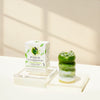
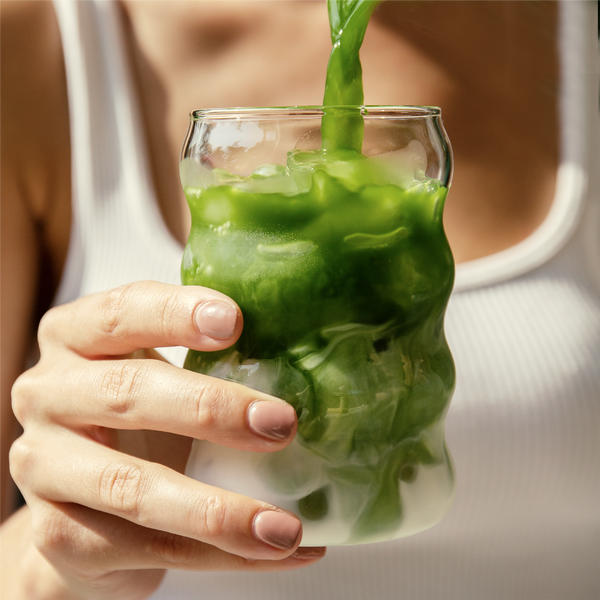
“For me, it can be as simple as taking five minutes to make this matcha vanilla latte. I make mine with Pique’s Sun Goddess Matcha, but any ceremonial-grade matcha will work beautifully here.”




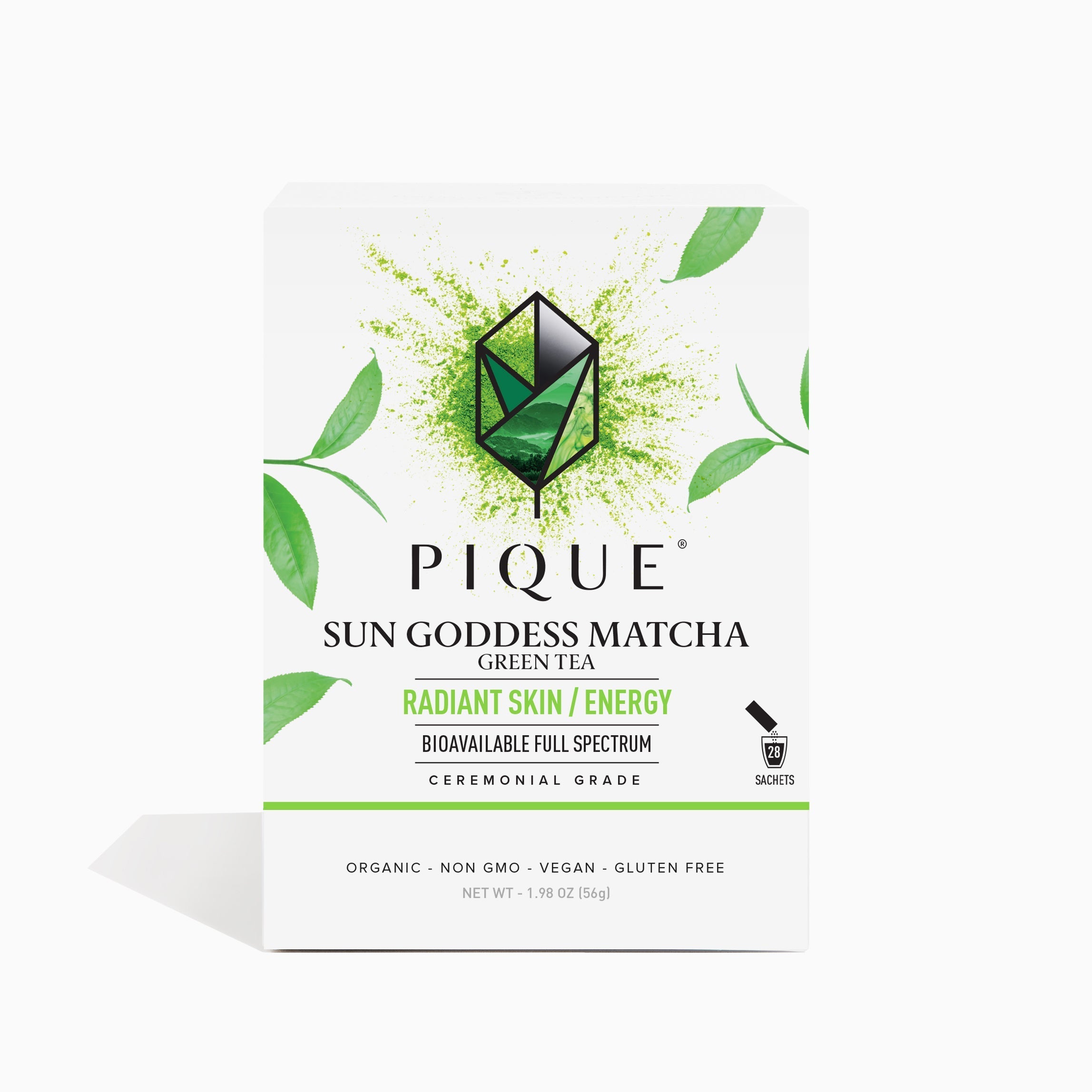


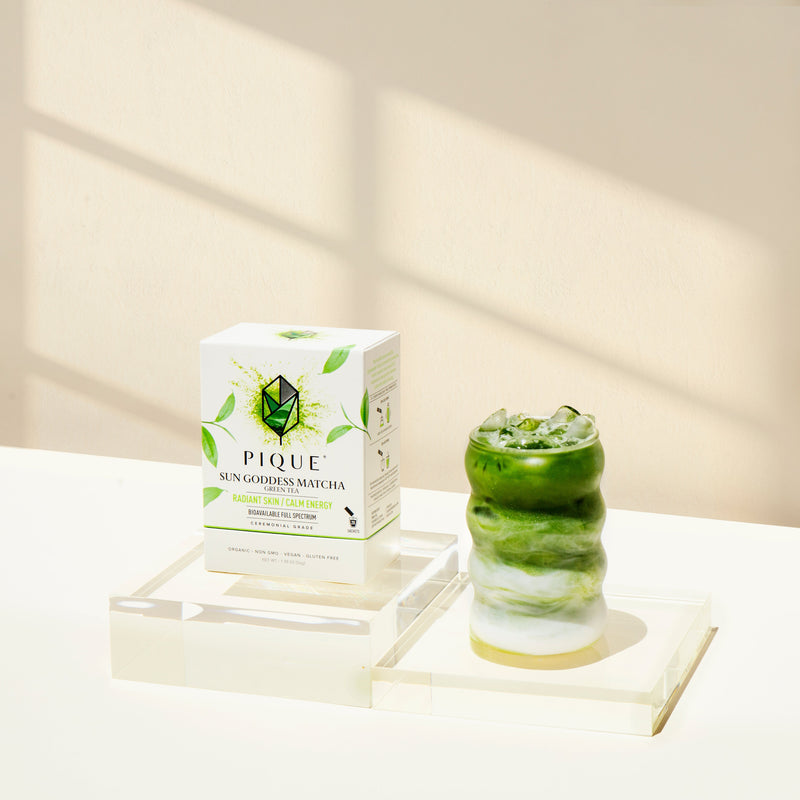
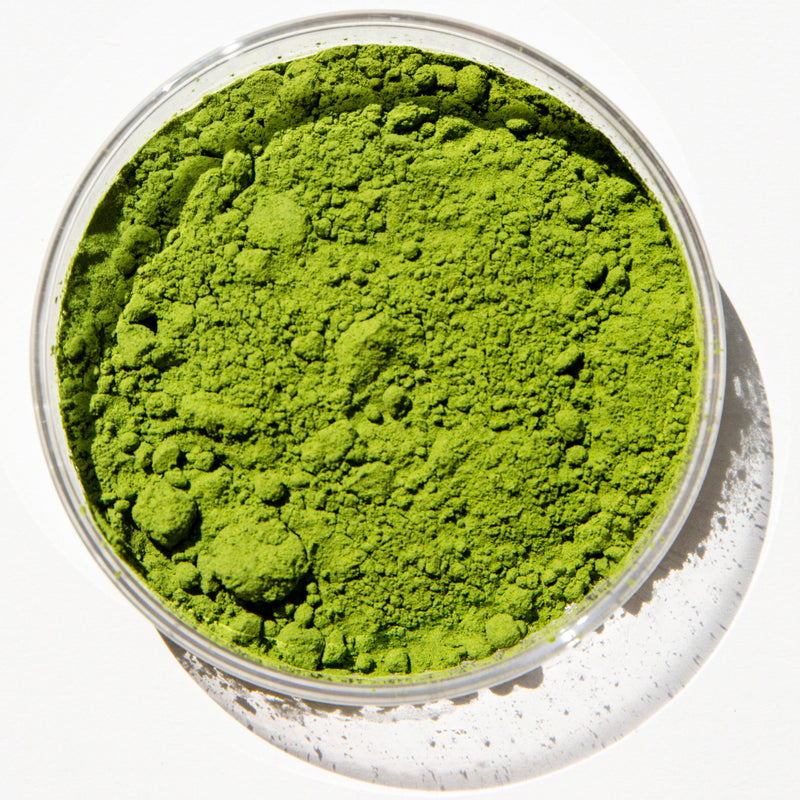
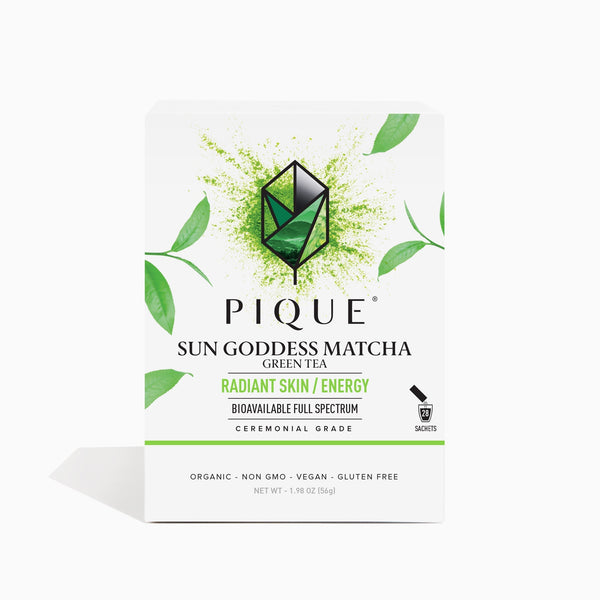
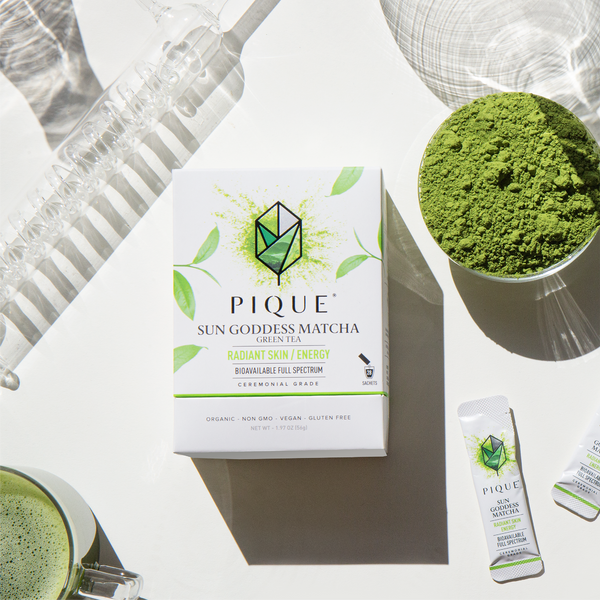
Sun Goddess Matcha is an organic, ceremonial-grade matcha crafted by 10th-degree tea masters using techniques refined over 130 years.
High in the mountains of Kagoshima, Japan, our matcha grows in a lush valley surrounded by volcanic terrain, where cooler temperatures naturally help deter insects and the remote landscape helps protect the tea gardens from environmental drift.
Legend holds that Amaterasu, the Japanese Sun Goddess, once appeared at a volcano within sight of these tea gardens, blessing the land with pure light. It’s here that exceptional terroir and generations of tea mastery come together to create a matcha of extraordinary purity, complexity and character.


Sun Goddess Matcha delivers calm, sustained energy and focused clarity without the coffee crash, while its naturally occurring antioxidants support healthy skin and defend against oxidative stress. A daily ritual for energy you can feel and radiance you can see.
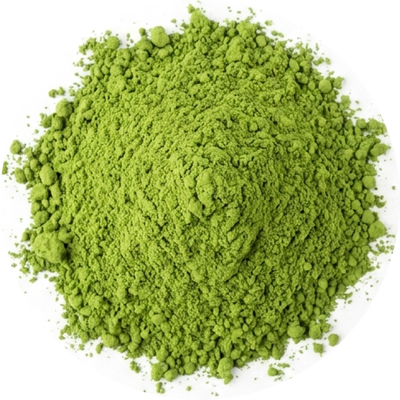

“For me, it can be as simple as taking five minutes to make this matcha vanilla latte. I make mine with Pique’s Sun Goddess Matcha, but any ceremonial-grade matcha will work beautifully here.”

“Beauty starts from within. I recently discovered Pique when I opened my own office and wanted to ensure a mess free space as there's nothing I dislike more than seeing wet tea bags lying around. Insert Pique :) I first fell in love with their delivery system only then to fall in love with their products.”

“I've tried tons of 'premium' matchas. Sun Goddess Matcha is the one I trust for its unrivaled purity. No other matcha does more to energize the body, focus the mind, and build internal health.”

“Pique Teas are a tremendous source of polyphenols, wonderful for anyone with gut issues. I use them in my clinical practice. I use them for myself. Their teas have more polyphenols and catechins than any regular brewed tea and are triple screened. I love Pique Teas!”

“Pique has been my go-to brand for years. I drink about 1-2 cups every single day. They have concentrated antioxidants to help support healthy radiant skin and make such a delicious treat! I can't get enough of them.”

“When it comes to superfoods, you guys know I’m a super big stickler on quality. Pique has become a fast and delicious favorite to my routine, day or night. I highly recommend you give them a try!”

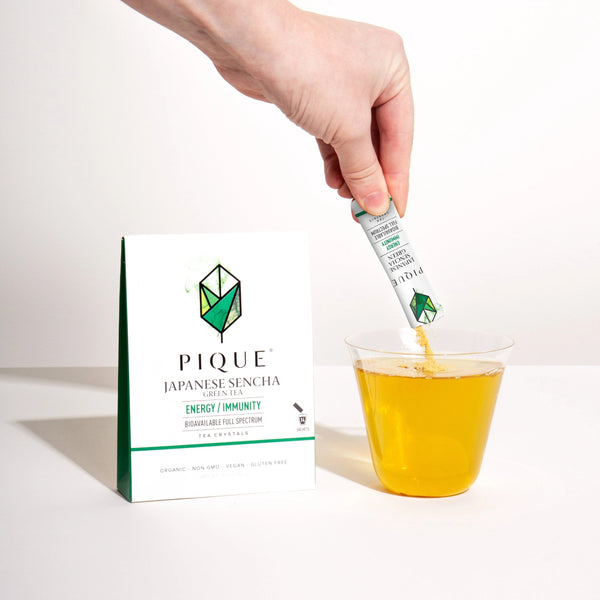
“Pique is very interesting because they make a powder form of tea, and it comes in this very cool little package. You can travel with it and keep it in your purse and it dissolves in cold water. You don’t need hot water for it, so if you’re on a plane and, you have a bottle of water you can just rip open this packet and dump it in.”

“The Sun Goddess Matcha is the first step, providing me with calm, steady energy and focus thanks to L-theanine, while the Detoxifying Chlorophyll cleanses my body and skin, and the green tea antioxidants brighten, firm, and improve my gut health, all without the caffeine jitters or crash.”

★★★★★
“I am so in love with Pique. I've been drinking their Sun Goddess Matcha every day. I replaced a cup of coffee with it and it's seriously like meditation in a cup. Smooth, creamy and delicious!”
Mary Harman
Verified buyer

★★★★★
“My skin looks so much better! I’ve been on matcha for 2 months now. The first month I didn’t notice much, but by the second month my skin and energy levels have been improving. I can't get enough!”
Caro S.
Verified buyer

★★★★★
“Sometimes soaking in the green is all the self-care you need. The mental clarity and energy I get is unmatched, not to mention the healthy glow it's giving my skin.”
Nadege
Verified buyer

★★★★★
“I’ve been getting so many compliments lately on my skin and one of the reasons is the matcha from Pique! It is packed with skin-loving antioxidants for a radiant glow, and is so good for sustained energy for my day.”
Kym Douglas
Verified buyer

★★★★★
“For anyone who’s been wondering: YES, Sun Goddess Matcha is completely worth the hype. This matcha changed my life, my skin looks flawless and I feel great when I drink it!”
Crystal T.
Verified buyer
This is the best tasting matcha I have ever tried. It tastes so good gong down that you know it is good for you!
I was skeptical when ordering this product but truly all Matcha is not equal- it has a superior taste and I was so pleasantly surprised that I purchased the subscription
I have been drinking Pique for at least 4 years. I will say I have tried others due to cost, nothing compares. Pique is the highest quality, pure matcha I have found. I drink it daily iced with a splash of raw milk or Malk coconut creamer. My 3 year old regularly steals sips, he loves his matcha too! It is so smooth, for those saying it is strong, add a bit more water! I can drink this plain just matcha and tea in a large glass over ice and it's delicious. it's on subscription and I won't ever look back.
Delicious
I absolutely love this matcha! The flavor is delicious, smooth, and refreshing. I love incorporating it into my daily routine because it makes enjoying matcha so easy and enjoyable. The quality is amazing, and I love how it fits perfectly into my wellness routine. Definitely a product I would recommend to anyone who loves matcha!
My favorite. I’m a bit addicted! I do add almond milk.
The flavor is wonderful
Nice regulator
I love this Matcha! I have it every morning. It is my favorite part of the day. It is by far the smoothest I've had. Love that it is clean with no sweetener!
I love this matcha tea. I highly recommend this tea.
Our general recommendation to make your matcha in the traditional way, we suggest putting the powder in your cup and then adding hot or cold water and mixing it right away for the best results. We recommend using a bamboo whisk for a frothy traditional matcha, but you can also use a kitchen whisk or a fork with good results. Here's a video of our founder, Simon, preparing ceremonial matcha:
You can also put your matcha powder in a bottle of water (cold if preferred) and shake it to mix for an on-the-go option. Water temperature will make a big impact on the taste of our teas. Ideal hot water temperature for matcha is between 140°-150°F and we strongly recommend not using water any hotter than 170°F.
Most people find matcha to have a strong, savory, grassy flavor, similar to wheatgrass or even spinach. However, premium matcha like our Sun Goddess Matcha is less grassy and has balanced flavors with layers of unfolding nuance and complexity. There are a lot of factors that differentiate premium matcha from common matcha. For more information about premium matcha, please check out our Insider's Guide
Both matcha and green tea begin as the Camellia Sinensis plant. The main difference starts with how the plant is grown and processed. Matcha tea is shade grown and ground to a fine powder – you are essentially consuming whole tea leaves. The plant intended for green teas, on the other hand, is traditionally grown and harvested. Once harvested, the leaves are steamed to stop oxidation and then dried. The dried leaves are broken up for tea bags or carefully packaged as loose leaf tea, ready to steep. For more information about this, please visit our article 5 Key Differences Between Matcha and Green Tea.
If preparing matcha the traditional way does not work for you as a beginner, we recommend starting out by getting your palate accustomed to matcha. You can make matcha flavored drinks such as our Sun Goddess Matcha Latte You can also find other matcha recipes here.
Though matcha powder grades are not regulated and therefore may be inconsistent, the two categories you’re most likely to come across are culinary and ceremonial grades.
Culinary matcha powder is meant specifically for use in food, like in desserts, or other baked goods. It is typically less expensive since it’s intended for use in food or recipes, not drinking. The flavor profile is not as good as ceremonial grade since you want a different flavor result when baking or cooking with matcha. It’ll provide the color and flavor, but the quality of the plant, the growing practices, and the process of grinding it into powder will not be as high of a standard as ceremonial.
Ceremonial grade, on the other hand, is meant to be drunk on its own, whisked into hot water the way that traditional matcha is prepared in Japanese tea ceremonies. Ceremonial grade matcha indicates higher quality and better drinking experience.
Our Sun Goddess Matcha is sourced from a lush valley at the southernmost tip of the Japanese island chain, and is a ceremonial grade matcha. It is the furthest distance from environmental toxins and neighbors with Okinawa (home to some of the longest living people on Earth). The source of our matcha is more pristine and untouched than any other. We collaborated with Mr. Mori, a 9th-degree teamaster, to ensure you get only the ceremonial grade matcha following a scoresheet designed by them. It is also screened for heavy metals, toxic molds, pesticides, and radioactive isotopes.


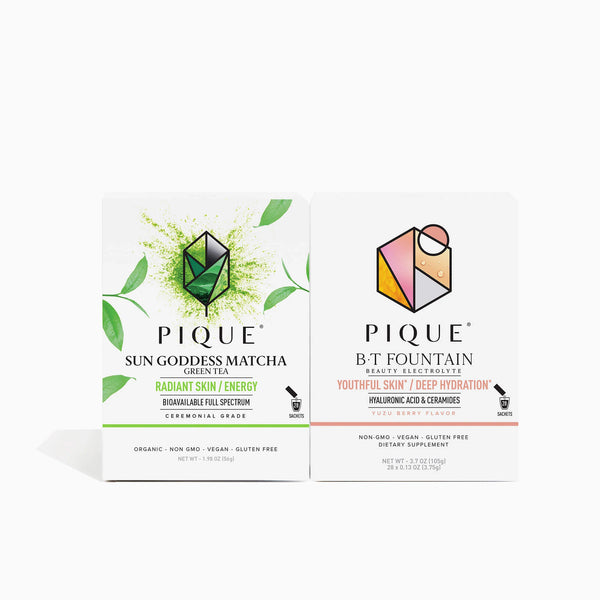
 Variety
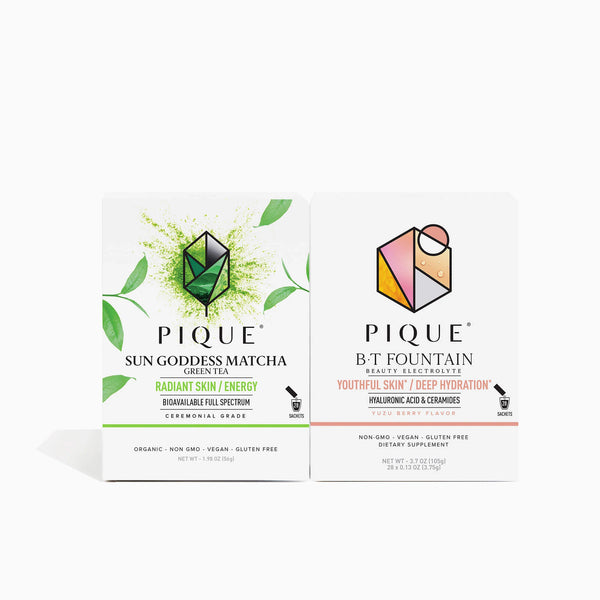



 Minerals





 Green
Green